
Search This Supplers Products:China manufacturer lightweight thermoplastic sheetChina manufacturer good impact strength lightweight pp honeycomb panel for van lining pallet boxChina manufacturer durable plastic pallet container sleeve packs logistics turnover packagingChina manufacturer thermoplastic TPO sheet for automotive floor mats trunk mats truck bed matsChina manufacturer thermoplastic ABS sheet for thermoforming vaccum forming injection moldingChina manufacturer corrosion resistant PP sheet HDPE sheet for chemical industry and aquaculture
- Home
- About us
- Products
- PP Honeycomb Panel
- Polypropylene (PP) Bubble Board
- Plastic Pallet Sleeve System
- Polypropylene (PP) Corrugated Sheet
- Plastic Box & Divider
- ABS Sheet
- TPO Sheet
- HDPE Sheet
- UHMWPE Sheet
- Polypropylene (PP) Sheet
- Polypropylene (PP) Film
- Construction Honeycomb Panel
- Automotive Thermoplastic Materials
- Custom & Processing Work
- Faqs
- News
- Certificate
- Contact us
How to Select the Right ABS Sheet Thickness and Grade for Industrial Projects
sourcehttps://www.polyreflex.com/
publisherPolyreflex
time2025/11/25

- A comprehensive guide to selecting the right ABS sheet for industrial applications. Learn how thickness, mechanical strength, environmental conditions, processing requirements, and compliance standards influence material performance and project success.
A Professional Guide for Engineers, Product Designers, and Industrial Purchasers
Selecting the right ABS sheet is a decision that goes far beyond choosing a material with the correct color or price. For industrial applications—whether in automotive interiors, machinery housings, electronics, or customized thermoformed components—the thickness and grade of ABS directly determine product durability, processing efficiency, and long-term performance. A well-matched ABS solution ensures stable production, reduces processing defects, extends product lifespan, and helps manufacturers meet industry-specific technical standards. This article provides a comprehensive framework to help you identify the optimal ABS sheet thickness and grade for your industrial projects.
Understanding the Fundamentals of ABS Sheet
Acrylonitrile Butadiene Styrene (ABS) is widely recognized for its excellent impact strength, dimensional stability, processability, and surface finish options. Its balanced mechanical properties make it ideal for vacuum forming, CNC machining, bending, bonding, and structural applications across multiple industries. Standard ABS offers good overall performance, while modified grades—such as high-impact, flame-retardant, UV-resistant, textured, and thermoforming-grade ABS—enable more specialized functions.
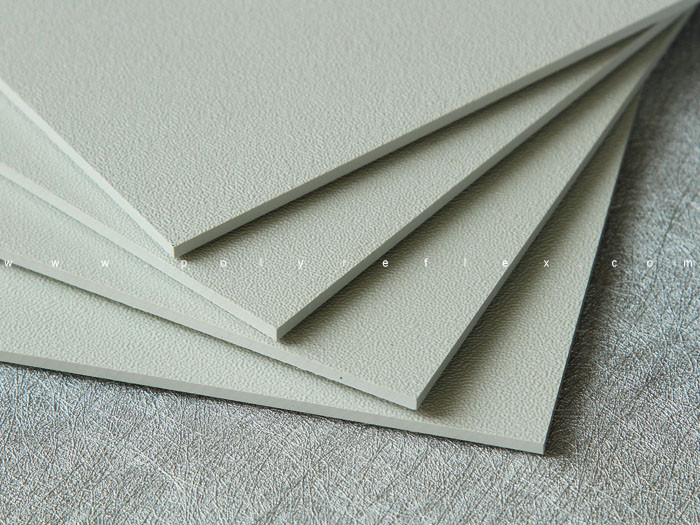
Polyreflex ABS Sheets
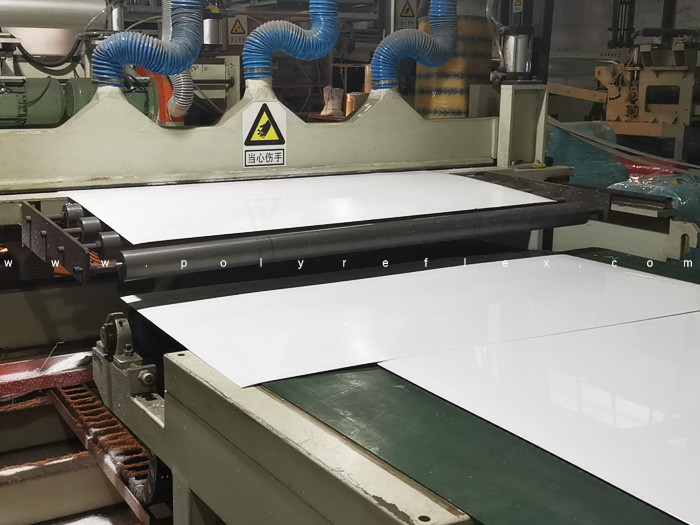
Polyreflex ABS Sheets Production Line
Before determining the correct grade, it is essential to first understand the performance requirements of the product and the environment it will encounter in real use.
How Thickness Influences Industrial Performance
ABS sheet thickness typically ranges from 0.5 mm to 10 mm, and each thickness band is associated with different levels of structural strength, flexibility, and processing performance.
In industrial environments, thickness affects:
Typical thickness recommendations by industry include:

ABS Automotive Interior Parts

ABS Automotive Interior Parts
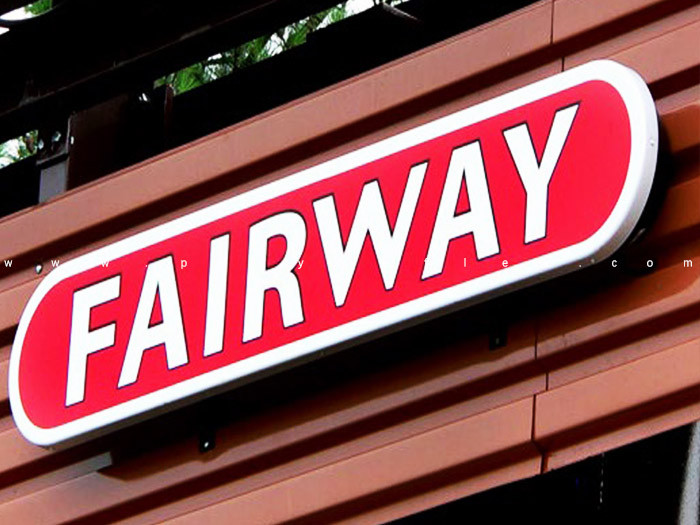
ABS Signage
These guidelines ensure each industrial product achieves the required balance between strength, formability, and overall stability.
Selecting the Appropriate ABS Grade
ABS is available in multiple industrial grades, each engineered for distinct functional requirements. Choosing the right one ensures optimal performance throughout the product lifecycle.
Common ABS Grades and Their Applications:
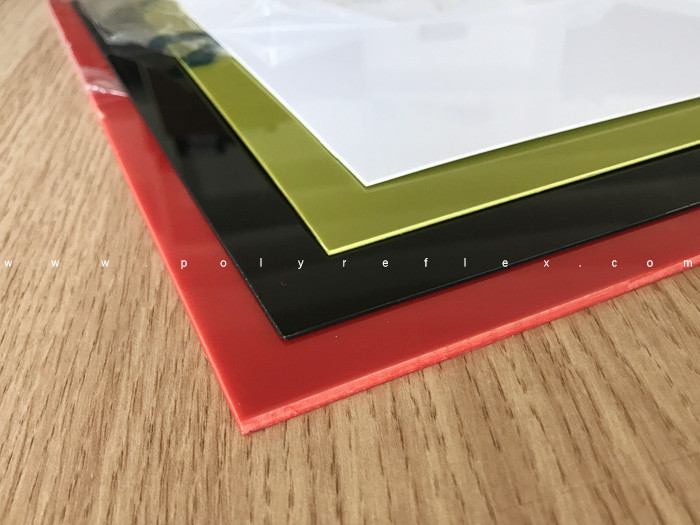
Standard ABS
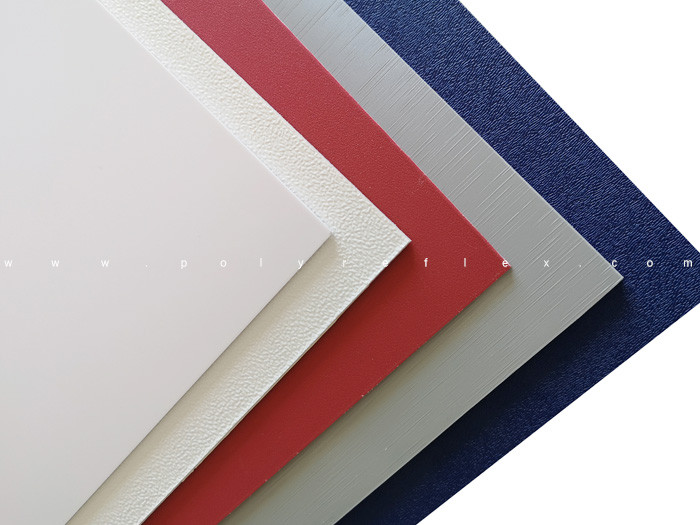
Textured ABS
Understanding these material categories helps industrial buyers select the most appropriate formulation for their specific use cases.
Key Factors to Consider Before Making a Final Decision
While thickness and grade are the primary considerations, real-world industrial applications demand a deeper evaluation of environmental, mechanical, processing, and regulatory requirements. The following major factors often determine whether the ABS sheet will meet long-term expectations.
1. Mechanical Requirements
For parts requiring structural strength or impact resistance, the mechanical profile of the material must match operational stresses. Products exposed to repeated loading, vibrations, or accidental impacts—such as tool cases, machinery enclosures, or transportation components—benefit from higher thickness and high-impact grades. Flexural strength is also crucial; inadequate resistance may lead to warping, surface stress marks, or reduced service life.
2. Environmental Conditions
Different operating environments place different demands on ABS materials:
Evaluating these conditions early prevents premature failure or material degradation.
3. Processing and Manufacturing Methods
ABS processing compatibility is critical for efficient production.
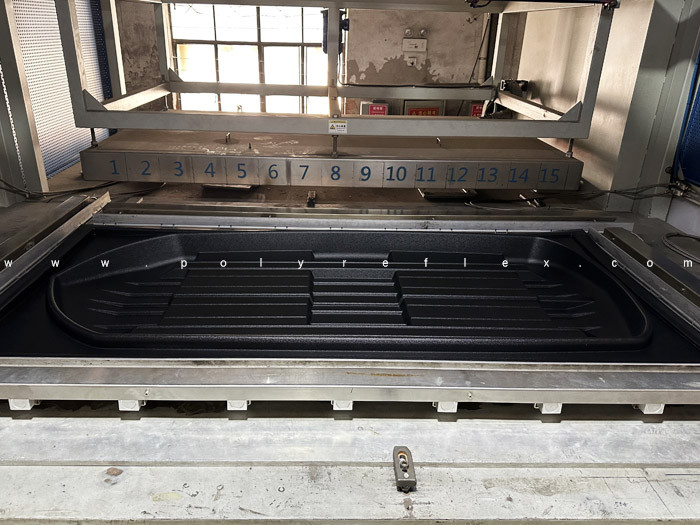
ABS Vacuum Forming
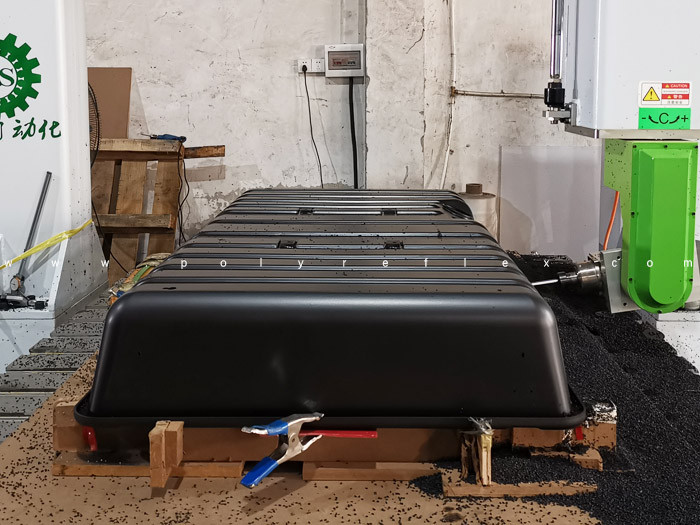
ABS CNC Machining
Choosing the correct grade ensures stable processing, reduced scrap rates, and lower production costs.
4. Compliance & Industry Standards
Certain industries require ABS sheets that meet specific regulations:
Using certified materials prevents regulatory nonconformity and ensures safe market access.
5. Aesthetic & Functional Surface Requirements
Color, gloss, and surface texture significantly influence the product's final appearance and functional durability. Industrial customers often require:
Surface selection is not only about looks—it directly affects performance in daily use.
6. MOQ, Production Capacity & Lead Time
For OEM and industrial buyers, supply chain stability is as important as material performance. Customized color matching, special surface treatments, or modified ABS grades usually require a minimum production quantity. A stable manufacturer should provide:
This helps ensure uninterrupted production and reliable project execution.
Why Working With a Professional ABS Sheet Manufacturer Matters
A reliable manufacturer like Polyreflex provides more than just materials. Engineering consultation, stable formulation systems, consistent thickness control, and advanced thermoforming capabilities all contribute to the success of industrial projects. Professional technical support helps customers avoid material mismatches, optimize forming performance, and reduce overall production costs.
Choosing the right ABS sheet thickness and grade requires a detailed evaluation of mechanical demands, environmental exposure, processing methods, compliance standards, and surface requirements. For industrial users, proper material selection ensures product stability, manufacturing efficiency, and long-term durability.
By partnering with an experienced manufacturer and clearly defining performance expectations, you can confidently identify the ideal ABS solution for your application—whether it is automotive, electronics, heavy equipment, packaging, or custom engineering projects.