Search This Supplers Products:China manufacturer lightweight thermoplastic sheetChina manufacturer good impact strength lightweight pp honeycomb panel for van lining pallet boxChina manufacturer durable plastic pallet container sleeve packs logistics turnover packagingChina manufacturer thermoplastic TPO sheet for automotive floor mats trunk mats truck bed matsChina manufacturer thermoplastic ABS sheet for thermoforming vaccum forming injection moldingChina manufacturer corrosion resistant PP sheet HDPE sheet for chemical industry and aquaculture
- Home
- About us
- Products
- PP Honeycomb Panel
- Polypropylene (PP) Bubble Board
- Plastic Pallet Sleeve System
- Polypropylene (PP) Corrugated Sheet
- Plastic Box & Divider
- ABS Sheet
- TPO Sheet
- HDPE Sheet
- UHMWPE Sheet
- Polypropylene (PP) Sheet
- Polypropylene (PP) Film
- Construction Honeycomb Panel
- Automotive Thermoplastic Materials
- Custom & Processing Work
- Faqs
- News
- Certificate
- Contact us
Impact-Resistant Underbody Shield for Automotive Protection
- group name
- Automotive Thermoplastic Materials
- Min Order
- 1 piece
- brand name
- Polyreflex
- Nearest port for product export
- Shenzhen, Guangzhou, Shanghai, Ningbo
- Delivery clauses under the trade mode
- FOB, CFR, CIF, EXW, DDP, DDU, Express Delivery
- Acceptable payment methods
- T/T, L/C, D/P D/A, PayPal, Westem Union
- update time
- Tue, 06 Oct 2026 11:53:09 GMT
Paramtents
Material HDPE (High-Density Polyethylene) Sheet / GMT Board
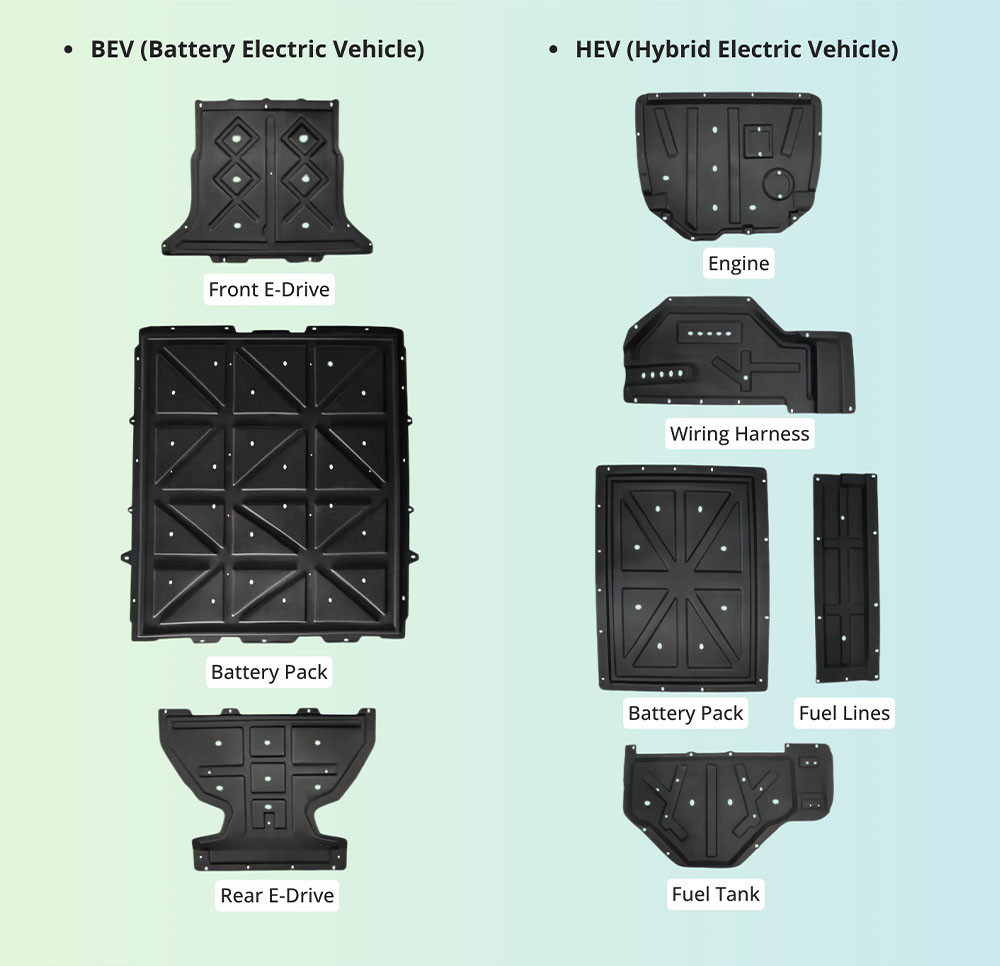
Application Automotive Underbody Protection Panels, Battery Pack Shields, Engine Covers, Fuel Tank Guards
Thickness 2 – 10 mm
Density / Weight Range HDPE: 0.94 – 0.96 g/cm³ / GMT: 1500 – 4000 gsm
Surface Finish Smooth, Anti-slip Texture, Fabric Surface, PP Film Laminated
Color Black, Beige, Custom Colors
Key Features High Impact Resistance, Chemical Resistance, Lightweight, Weather Resistant
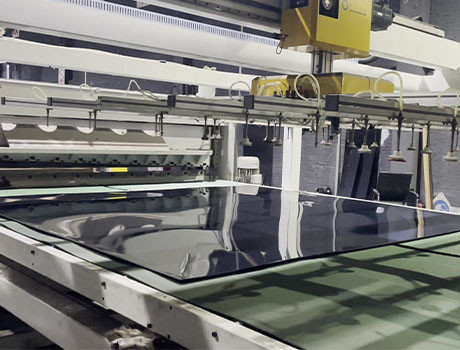
Processing Method Thermoforming, Compression Molding, CNC Cutting, Drilling
Shape / Structure Flat Panels, Formed Parts, Reinforced Structures
Customization Size, Thickness, Material Type, Surface, Color, Mechanical Properties
Packging & Delivery
-
Min Order1 piece
Briefing
Detailed
Application Overview
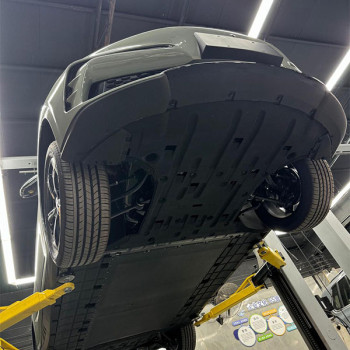
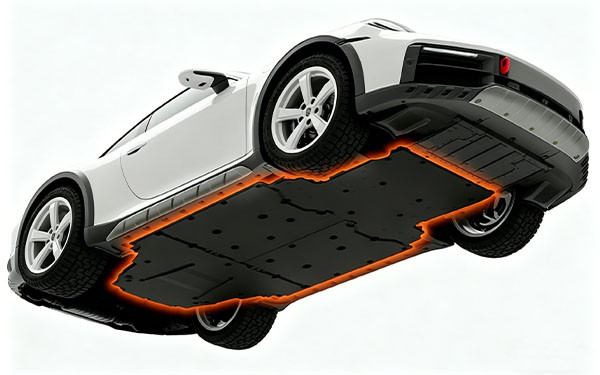
Underbody shields are essential protective components installed beneath vehicles to safeguard critical systems from external damage. These panels are designed to protect key areas such as battery packs, engines, fuel systems, and wiring harnesses from road debris, stone impact, water intrusion, mud, and corrosion.
With the rapid growth of electric vehicles (EVs) and hybrid electric vehicles (HEVs), the importance of reliable underbody protection has significantly increased. Sensitive components like battery packs and electronic drive systems require durable shielding solutions that can withstand both mechanical impact and environmental exposure.
Polyreflex provides high-performance thermoplastic materials including HDPE sheets and GMT boards. These materials offer an optimal balance of impact resistance, lightweight structure, and chemical stability, making them an ideal choice for long-term automotive underbody protection.
Key Advantages


Why Choose HDPE & GMT for Underbody Shields
Typical Specifications
Material | Thickness | Surface | Color |
HDPE Sheet | 3 – 6 mm | Smooth | Black |
GMT Board | 2 – 10 mm | Fabric / PP Film | Black / Beige / Customized |
Manufacturing Process
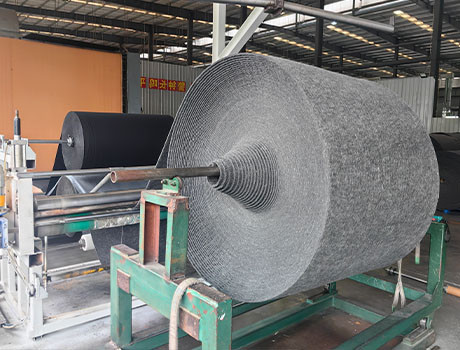
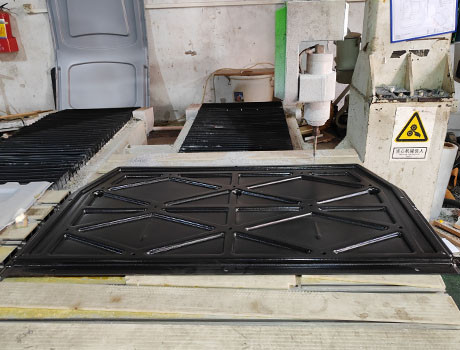
Applications in Vehicles